


Coffee brews in an old industrial pot, large upon the counter in this long, open room optimistically called “the day room.” The pot spits and steams as if in protest of her long servitude. We brought her with us, pilfered from another program’s space when we had to change buildings. We scavenged many of the items that make our program work, already old and well-used. Young men gather around the coffee counter lined with powdered creamer, sugar packets, and discount generic cookies. Sometimes we have flavored liquid creamers and pan dulce. For in this youth correctional facility, we are all lost, then found, creating community and learning new things as we make our way together.
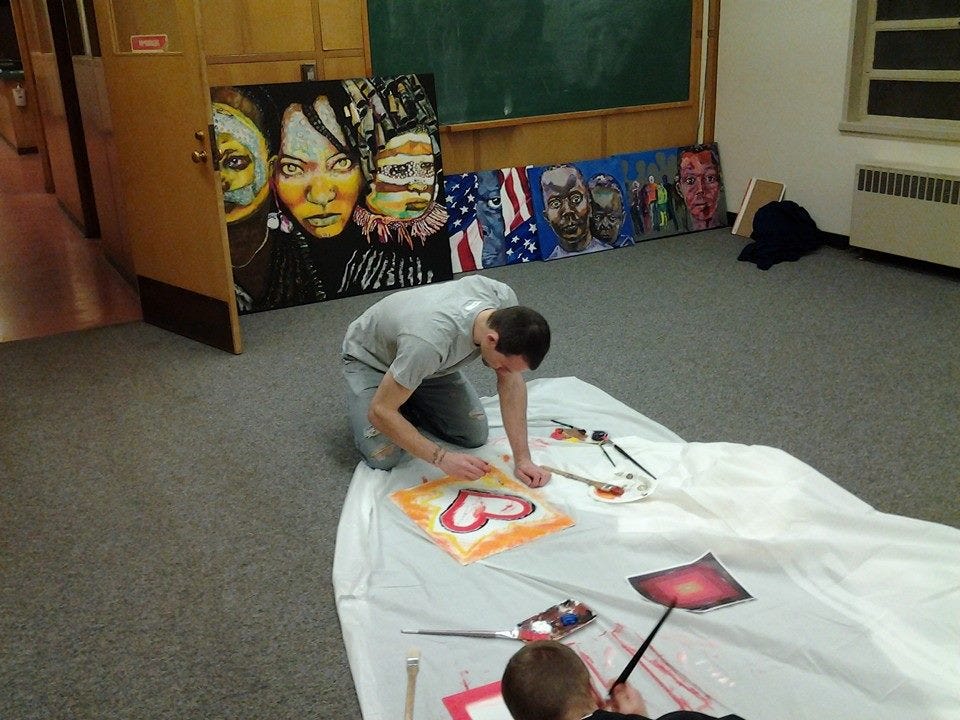
I came on board in 2010 to run a pilot program with young men aged 14–24. Four young men with staff support created the original project. The premise was to bring in volunteers and community to lead activities in the time when they weren’t going to school or work. The state agency overseeing youth corrections approved it. I continued their project with youth leadership voices guiding the developing program. We soon created an easy camaraderie and built trust among youth, some facility staff, and with me and our volunteers. We shared power and spaces filled with coffee, snacks, and calm to build a community.
There’s always friction in these settings. The corrections mindset versus the growth mindset. It is possible to create spaces with safety and security in mind: access to growth and learning requires it. In this population of gang-affiliated and/or violent youth, staff were always on the lookout for the “shot caller.” The young man who controlled the rest of the population. One of the simple metrics for staff to identify that person was if your peers brought you coffee or even your shoes for gym. For these staff, signs of respect ingrained in culture and appropriate in communal living meant the recipient youth was the “shot caller.” In this instance, allowing youth a moment to show gratitude and respect to a peer who developed art skills, leadership skills, and was one of the oldest in the facility was anathema to the corrections mindset.
I struggled with this limited strategy to identify “shot callers.” While there is a reality of youth who are a threat, there are youth surviving their incarceration with necessary expressions of gratitude. I never had to fix myself a cup of coffee again if young men were in the room. If I attempted to empty trash cans, two or three young men would run to assist. I learned that those committed to the program were protective of the environment and of me. They added a code of honor that no fights would occur, no contraband brought into our space, and they would allow no disrespect. These were their expressions of gratitude for what the program brought to them. We often joked that I must have been the ultimate “shot caller.” This deference by youth were the few moments of gratitude I’d allow. I learned it wasn’t enough.
Organizations will approach the state agency to provide services or workshops. They often get referred to our program. We would facilitate their access, manage their workshops, and supervise the volunteers. That’s how I learned Nonviolent Communication with the young men. The partner organization provided workshops employing the philosophy, research, and skill building of Marshall Rosenberg. I learned that gratitude is one of our basic human needs. To receive it and to show it forms the basis for maintaining empathy and compassion in spaces and a world that is challenging, cruel, or inhumane.
We learned when our needs are not met, we feel emotions that may lead us to soothe ourselves with unhealthy behaviors, with drugs, alcohol, violence, or gang affiliation. Not only do we seek to meet our own needs, but by our responses within our human interactions and relationships, we are meeting the needs of others. I resisted welcoming actions and words of gratitude, thinking I was meeting a need of mine for humility or service. I could accept cups of coffee or help with cleaning in our setting. Words of praise or gratitude or glowing reflections are deflected, deferring always that the young men and our volunteers did the work.
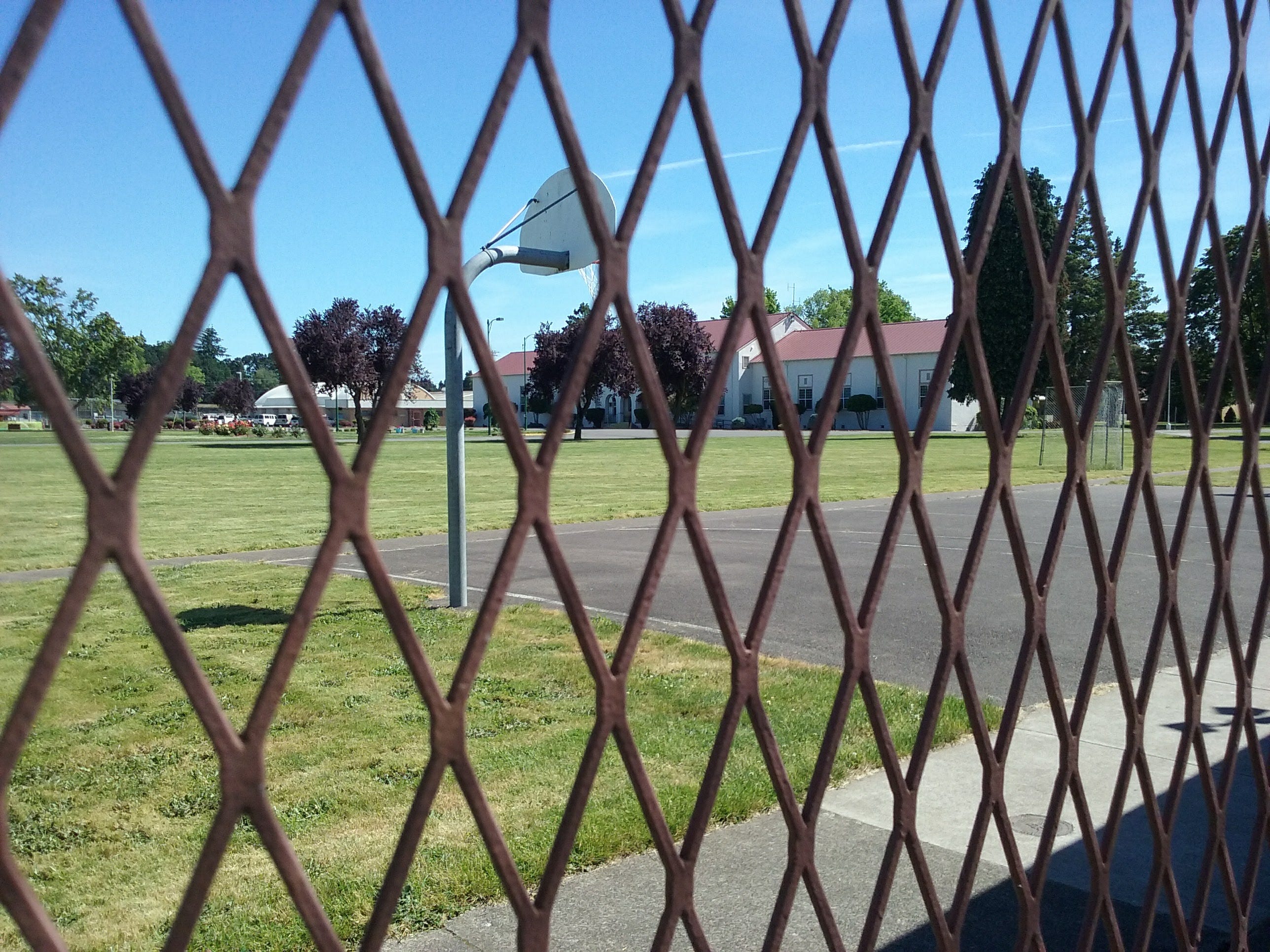
On a sunny afternoon inside the fence, I am in our workshop space. This is the open dayroom of a refurbished cottage, a former living unit for the population in custody. The design is simple, industrial pale green walls, muted blue carpet, beige café curtains offer an illusion of a homey space. Large windows let in light and sweeping views of green fields filled with the heads of gophers popping up to take in the view. There are winding paths between cottages, from the gatehouse entry, past the long white administration building, to the basketball courts, the concrete patio filled with wooden picnic tables, and entry to our space. The luxury of many windows providing a daylight lit room camouflages their real purpose of visibility for security. I am with the volunteer facilitator for this Nonviolent Communication workshop. She is a petite young woman, engaging and energetic, open to a funny conversation repertoire as we arrange chairs to her liking for the day’s activities. Her eyes are wide behind round glasses and her pixie cut blond hair brings a warmth and accessibility to learning the language and actions of needs and wants, emotions and feelings.
The young men enter the room, called to the building with scripted radio protocols and staff supervision. They smile, jostle and joke after handshakes and greetings to our volunteer and side hugs and respectful “Tia” to me. They gather to get their cups of coffee or juice, handfuls of cookies in napkins and then take a seat on the molded plastic chairs. All become quiet in the camaraderie of learning, waiting for instructions. The calm settles their brains, quiets stress, and the air vibrates with their anticipation of something new.
I have a policy of participating in all the workshops. So many good things I learned in jail. It was an important consideration that young men taking part did not feel like “rats in a laboratory.” They had enough constant, critical supervision and oversight during their daily activities. Participation with volunteers and guests brings the community ethos we wanted to build. I will take my turn in the exercise to listen, without a defensive response, to an expression of feelings from one of our young men.
All the room fades away as we sit in anticipation in a single line of chairs facing one chair. One of us sits in the chair as the person sitting opposite in the first seat in the line expresses a feeling and need. The format is “I feel X because I need Y.” Or someone might say “I feel X when you do/say Y, because I need Z.” Exercises like this come after we research and examine what are true human needs and feelings. We all learned to carry around pocket references for when a critical moment occurred, bringing on feelings that needed to be addressed. It gives us a moment to pause and think. More than once did we all pull out cards in a group to dissect someone’s distress and help them defuse. In empathy, we learn to guess, to guide, to cajole a possible feeling and need and how to meet it. It is up to the individual to discard what doesn’t fit and accept what may resonate, surrounded by support, to find their way peacefully.
One after another, we take our turn moving from the line of chairs to the “hot seat” as everyone moves up behind us. It is my turn and Robert begins:
“I feel sad and frustrated when you don’t accept our appreciation because I have a need to celebrate and show gratitude.”
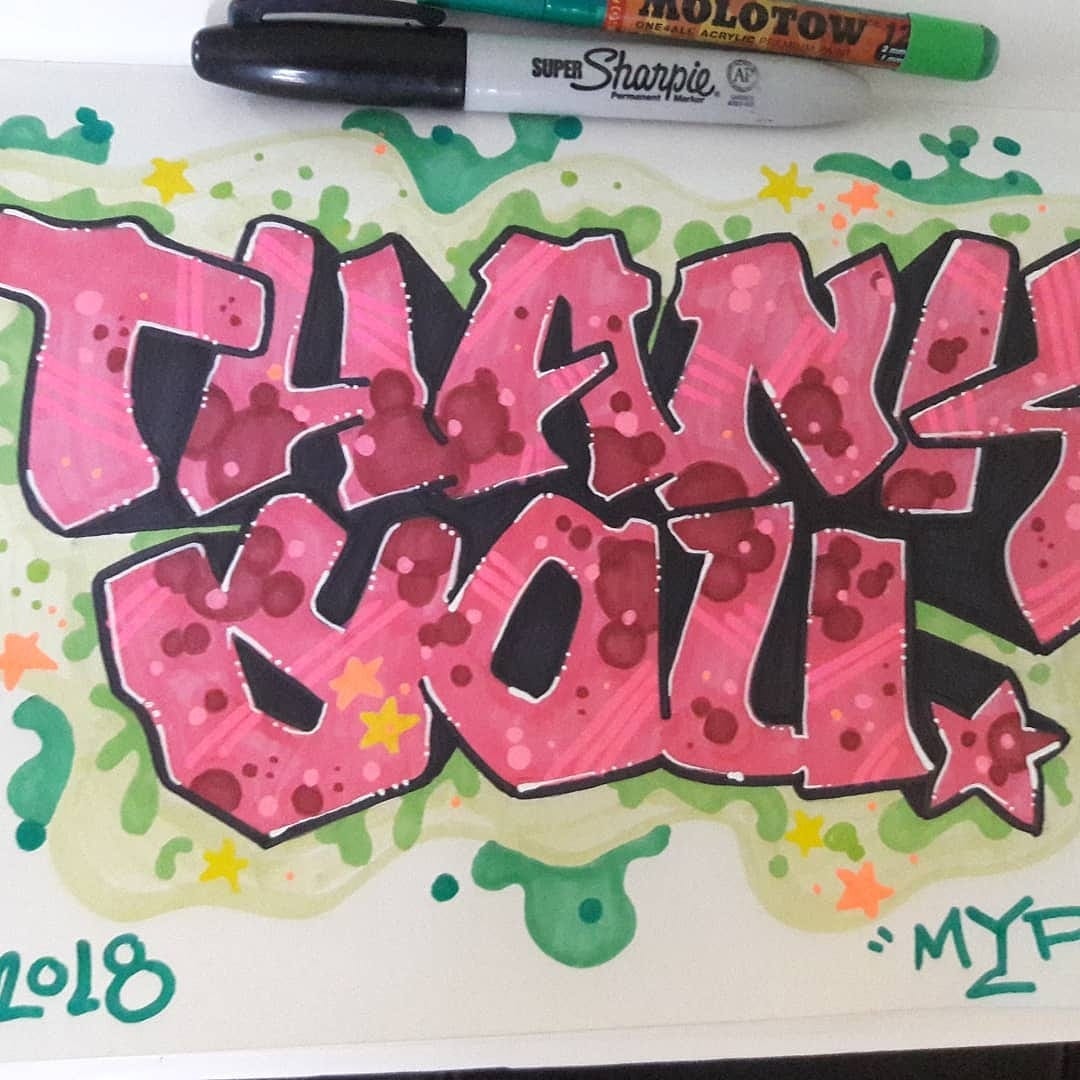
I sit with this observation, my face heating with the discomfort, and muse about my inability to receive appreciation empathetically from these youth men who are just brimming with gratitude and the very human need to receive it and give it. How could I, amid witnessing their pain, their attempts at growth and repairing harm, deprive them of meeting a simple need? Meeting a need that would go a long way to help them develop their empathy and worth as they navigated incarceration and the barriers and trials that come with release to their community.
In that uncomfortable, revealing moment, I had to begin the effort to graciously accept thanks, acknowledgement of good work, and inclusion in their proud moments for the work we did together. This included the work and battles I fought for them behind the scenes. It began with thanking Robert for getting to the heart of the matter. It is a revelation when being made to squirm in response to another’s vulnerability in seeking what they need. At that moment, in a workshop activity, a young man taught me the importance of receiving their expressions of gratitude, their appreciation, with grace. My fear had to be addressed that accepting appreciation is a kind of superiority at one end of the spectrum, or false humility at the other end. I was also taught to find the joy in gratitude and appreciation received.
Advocacy work is long and hard. Receiving appreciation and gratitude from those we work with makes it collaborative, joyful, and more effective. It is not only systems we battle. In all our lives, on a very personal level, we must come to terms with meeting our needs in a healthy way. Accepting a gangster’s gratitude is where genuine work is done, meeting needs, building empathy, and fostering growth and reformation. Advocacy work extends beyond societal change. The heart of my work is in repairing harm and creating avenues for growth and transformation for juveniles entering the system and then reentering communities. Empathy developed and shared by expressing and receiving gratitude paves the way for peace in our work and in our lives.
This essay was published in November 2025 in the Hooghly Review weekly features.
Gratitude is not limited to monthly celebrations of thanksgiving. In the most unlikely places, it can be found in abundance where it will sustain and sanctify.
Thank you for reading…